
Whether you plan on staying in Estepona or venturing further out to explore Spain, Gibraltar, Morocco and beyond, there are so many exciting ways to spend your days. We recommend the following:
Activities in and around Estepona Old Town
FYI Estepona has several paid Parking Locations
- Lots of shopping and restaurants in the old town
- Rent a catamaran from the port for swimming and dolphin watching
- Rent a bike and ride along the coast and into the port and the old town
- Walk along the Paseo Marítimo
- Museo Arqueológico de Estepona (Archeological Museum)
- Castillo de San Luis
- Plaza de las Flores
- Plaza Antonia Guerrero
- Mi Caseta – Flamenco Show
- Kart & Fun Estepona – Go-Kart
- Selwo Aventura – Zoo
- Orchidarium – Botanical Garden
- Estepona “Artistic Murals” Walk
- Estepona Bicycle Rentals
- Gran Elba Hotel Thermal Spa
- Golf Courses
Nearby Beaches (in Estepona)
- Arena Beach (where Casa Mirabella is located)
- Playa del Cristo – A calm tranquil cove beach with onsite restaurant for ordering drinks and food.. Get there early to reserve cabana if you don’t prefer to bring beach chairs/umbrella. *highly recommended*
- Playa de la Rada
- Playa de la Cala
Day trips outside of Estepona
Marbella
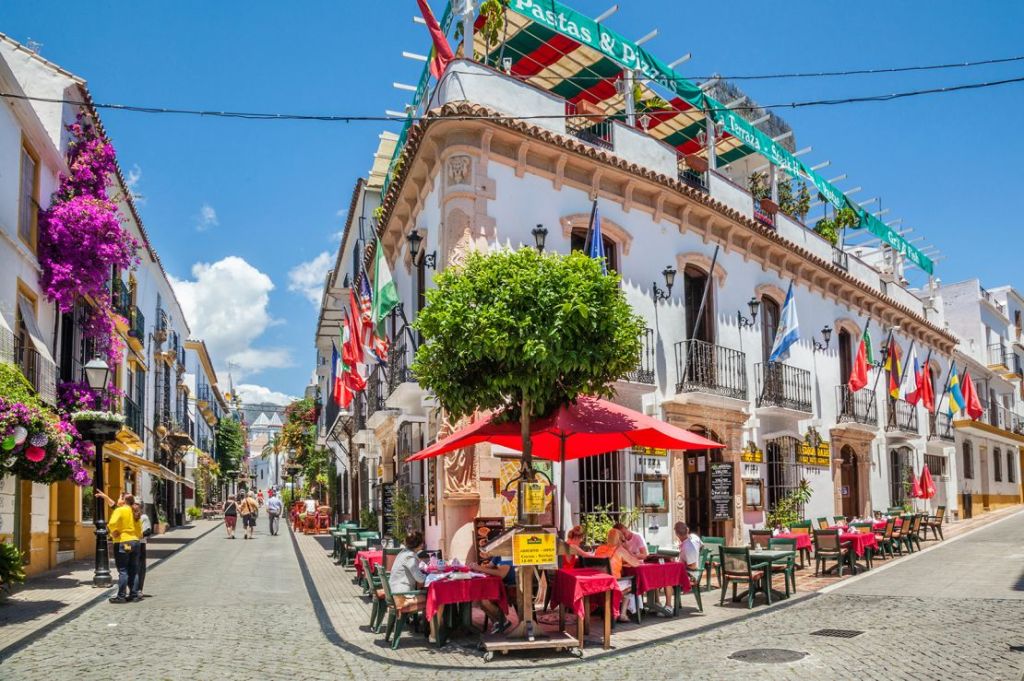
A 20 min drive from Estepona, Marbella has a reputation for luxury, attracting celebrities, wealthy tourists, and international visitors. Puerto Banús, the city’s famous marina, is the center of this glamorous lifestyle. Here, you can admire luxury yachts, designer boutiques, and high-end restaurants. The area is also known for its vibrant nightlife, with stylish clubs and bars that stay open until the early hours. Even if you’re not shopping for expensive brands, wandering around Puerto Banús is a treat for the senses.
Beyond the beaches and luxury, Marbella also has a charming historic side. The Old Town, or Casco Antiguo, is full of narrow cobblestone streets, whitewashed buildings, and colorful flowerpots. Here, visitors can explore traditional Andalusian architecture, quaint squares like Plaza de los Naranjos, and small artisan shops. The Old Town offers a peaceful contrast to the bustling beach areas and gives a glimpse into Marbella’s past.
Ronda
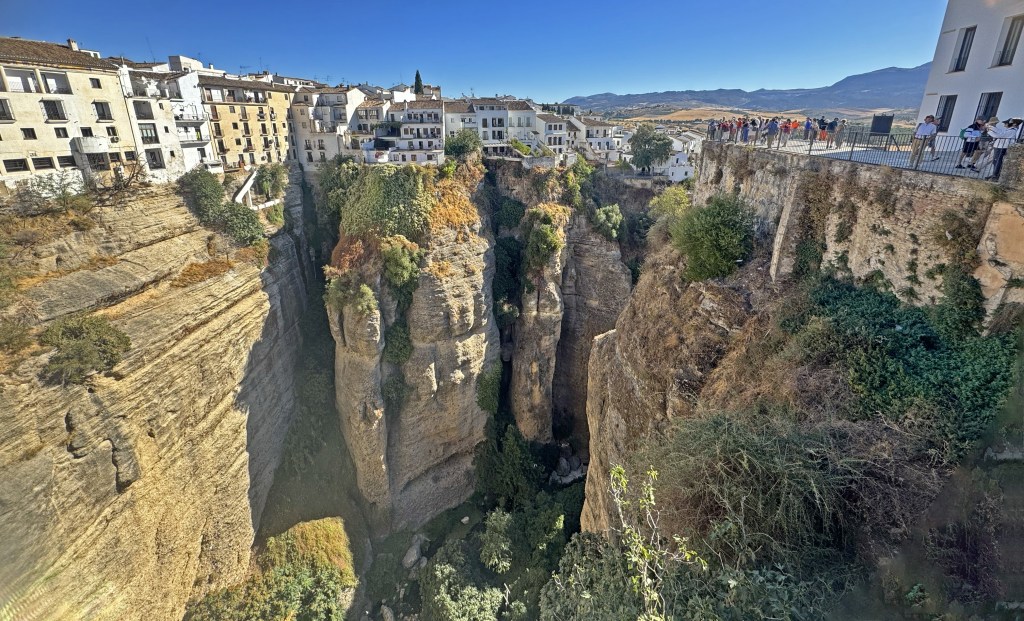
An hour and a half drive from Estepona is Ronda, Ronda is a spectacular historic Andalusian town famed for its dramatic location on top El Tajo Gorge. Ronda is one of the most beautiful, unique and visited cities in southern Spain. Its millenary history, its unparalleled landscape and its authenticity make it an essential destination for those seeking a deep cultural, natural and emotional experience.
Founded by the Celts and marked by Romans, Arabs and Christians, Ronda preserves the soul of all the cultures that inhabited it. From the Puente Nuevo —the undisputed symbol of the city— to the remains of walls, Arab baths or stately palaces, the city is an open-air museum where every corner tells a story.
Gibraltar
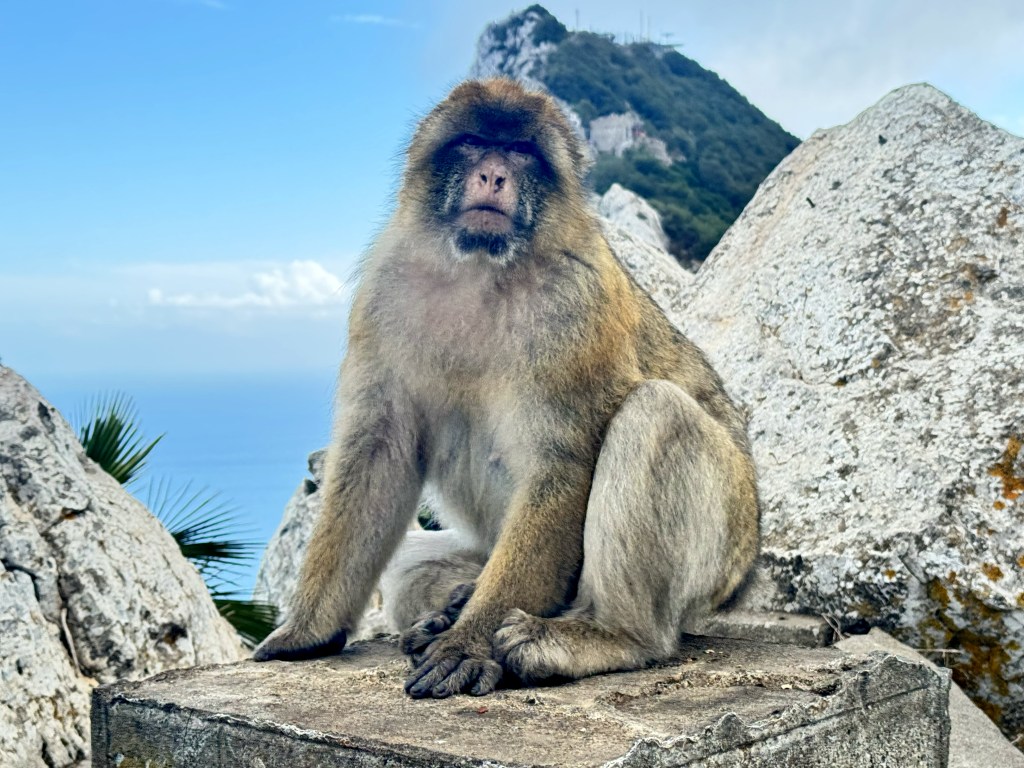
Gibraltar is visually noticeable on the horizon from Casa Mirabella. It is a unique rock island that juts out of the Mediterranean and marks the gateway to the Atlantic. Gibraltar is a part of the UK so bring your passport if you are planning to visit. You can get to it either via car, OR by renting a boat in the Estepona port.
For most visitors the main attraction is the Rock and its famous colony of macaque monkeys. Take the cable car to the Top Station (the base station is beside the Alameda Gardens) and you will be rewarded with spectacular views across the rock and the Strait of Gibraltar.
The Awakening is an immersive light and sound show located in St. Michael’s Cave in Gibraltar. Using 3D projection mapping and dramatic colored lighting, it brings the cave’s ancient, natural limestone formations to life, creating a 360-degree sensory experience that runs every 20 minutes. You can also visit the Great Siege Tunnels, a massive defense system constructed in the 18th century and used again during World War II.
Seville
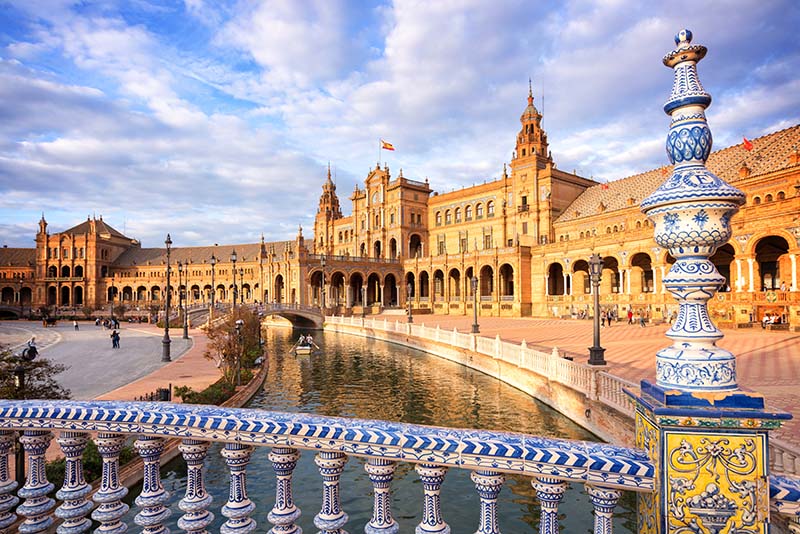
According to legend, the foundation of Seville can be traced back to the mythical city of Tarsis, founded by Hercules and which he gave to his son Híspalo, hence its former name: Híspalis.
Its origins go back to the VIII century b.c., and was the primary location of the ancient culture of Tartessos. tartary period, starting with a settlement named Ispal. In this town trading took place with Greek, Carthaginian and Phoenician sailors. It was destroyed in the II century b.c. in the wars between Carthaginians and Romans. When the Punic wars ended, it was reconstructed by the Romans and renamed Hispalis.
Seville, capital of Andalusia, Roman, Arabic, Renaissance, Baroque, Latin American, Marian, flamenco, bull-fighting, modern, festive, bright, perfumed, sea-faring, traditional, hospitable, gracious, cosmopolitan, religious… All of these adjectives, and many more can be applied to this city, which not only typifies all that is “Spanish” and “Andalusian”, but also contains such innumerous artistic, cultural, leisure, social and tourist attractions, that is has also become one of the most universal, best-known and most-visited cities in the world, birthplace and inspiration of writers, painters and artists in general.
Alhambra
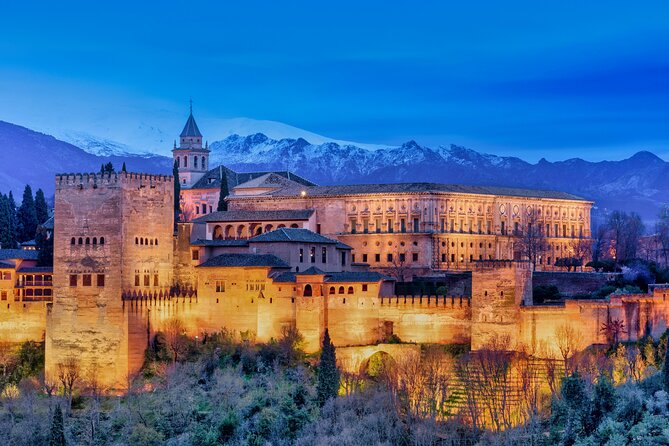
The Alhambra is a palace and fortress complex located in Granada, Spain. It is one of the most famous monuments of Islamic architecture and the only well-preserved palace from the medieval Islamic world. Additionally, the palace contains notable examples of Spanish Renaissance architecture.[4]
Morocco
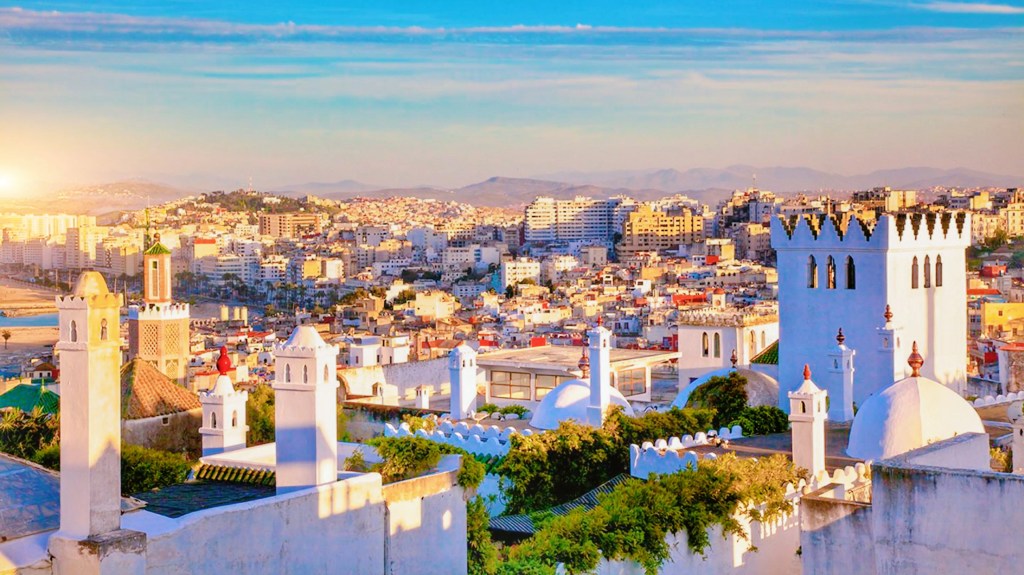
It is possible to take a 9am ferry from the Tarifa port to cross into Morocco by way of Tangier. Tangier is a vibrant, cosmopolitan port city in northern Morocco, strategically situated where the Mediterranean Sea meets the Atlantic Ocean. Known as the gateway to Africa, it blends Moroccan, Andalusian, and European influences, featuring a historic, whitewashed medina, a dramatic cliffside Kasbah, and a modernizing, bustling cityscape.
Granada
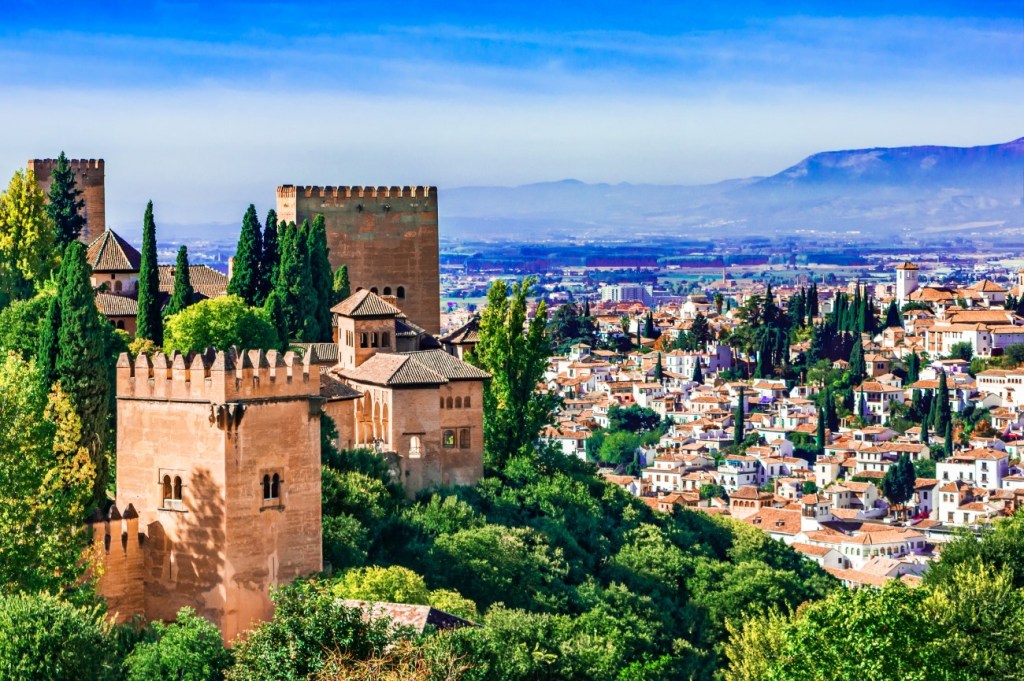
About a 2 hour drive from Estepona, Granada is a city in southern Spain’s Andalusia region, in the foothills of the Sierra Nevada mountains. It’s known for grand examples of medieval architecture dating to the Moorish occupation, especially the Alhambra. This sprawling hilltop fortress complex encompasses royal palaces, serene patios, and reflecting pools from the Nasrid dynasty, as well as the fountains and orchards of the Generalife gardens.
Mijas Pueblo
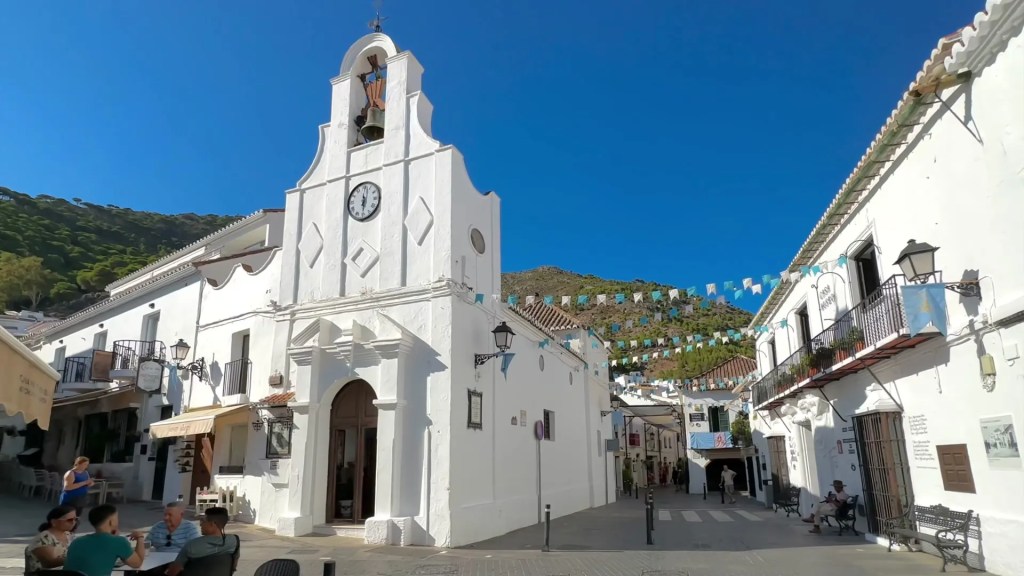
Nestled high in the mountains and overlooking the sun-drenched Mediterranean coast, Mijas is, simply put, postcard-perfect. A tiny village of gleaming white streets and charming plazas, it is a must-visit on any Southern Spain itinerary.
It’s an easy day trip from Estepona (30 min). Whitewashed facades and cobblestone streets are filled with potted flowers and bougainvillea, and the streets are filled with traditional Spanish terracotta roofs and wrought iron balconies. There are a handful of small shops too, selling locally made crafts and gifts, while seafood is the cuisine among the numerous restaurants and cafes dotted around the historic centre.
 Casa Mirabella